
Book Instantly - Call Now!
+1-833-288-5542Book Instantly - Call Now!
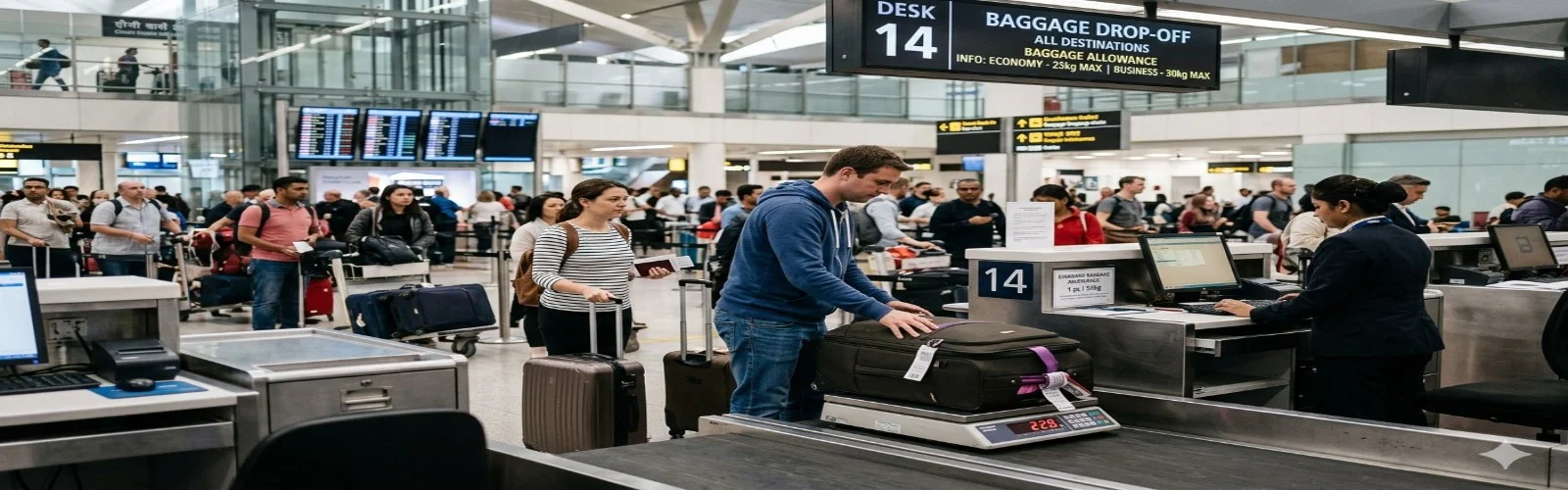
+1-833-288-5542Whether you’re flying home to Manila or traveling across continents, Philippine Airlines (PAL) ensures your journey is seamless right from check-in to landing. As one of Asia’s most trusted full-service carriers, PAL offers a generous baggage policy tailored for both domestic and international travelers.
From complimentary checked baggage to clear rules for carry-ons, the Philippine Airlines policy on baggage is designed to balance convenience and safety. In this guide, we’ll explore everything you need to know about baggage allowances, fees, special items, and a few essential tips before you fly.
Philippine Airlines classifies baggage into two main types: checked baggage and carry-on baggage. The allowance you receive depends on your route, cabin class, and fare type. The rules differ slightly between domestic and international flights, which we’ll break down below.
Every passenger on Philippine Airlines is allowed one piece of carry-on baggage and two small personal items.
Weight limit: Up to 7 kg (15 lbs).
Dimensions: Dimensions: Must not exceed 56 cm in length, 36 cm in width, and 23 cm in height.
In addition, passengers may bring two small personal items, such as:
A handbag or small laptop bag.
Overcoat, blanket, or wrap.
Reading material.
Small camera or binoculars.
Note: The bag must fit under the seat in front of you or in the overhead compartment. PAL strictly enforces carry-on weight limits at check-in.
Upgrade your journey with Philippine Airlines Business Class and enjoy spacious seating, premium dining, and priority services.
For domestic routes within the Philippines, Philippine Airlines follows a weight-based baggage policy depending on your fare class.
If you are flying on PAL Express or a Light Fare, checked baggage may not be included. You can purchase prepaid baggage during booking or via the “Manage Booking” section on the Philippine Airlines website.
For passengers carrying more than their allowance, baggage allowance fees apply. Domestic excess baggage rates depend on the flight route but generally start from ₱200–₱300 per kilogram.
Tip: Buying prepaid baggage online costs less than paying at the airport.
PAL uses the piece concept for international routes to and from the U.S., Canada, and specific long-haul destinations, while the weight concept applies to flights across Asia, the Middle East, and nearby regions.
For flights to or from Hawaii and North America, passengers enjoy these standard limits, with additional allowances available for Mabuhay Miles Elite and Premier Elite members.
Children with a paid seat receive the same baggage allowance as adults. Infants without a seat are entitled to 10 kg (22 lbs) of checked baggage and one fully collapsible stroller or car seat.
For checked bags exceeding the free allowance, Philippine Airlines applies baggage allowance fees based on destination and region.
U.S. or Canada routes: Extra pieces start from USD 150–200 each.
Asia, or Middle East, or Australia: Excess baggage usually costs USD 10–30 per kilogram.
Exact rates can be confirmed during online booking or at PAL ticket offices.
Stay entertained throughout your journey with Philippine Airlines inflight entertainment, including movies, TV shows, and music options.
Philippine Airlines provides flexible options for passengers traveling with special baggage items. Whether you’re carrying sports gear, instruments, or mobility aids, the airline ensures that your equipment is handled with care and according to international standards.
Philippine Airlines accepts a wide range of sports equipment, including golf bags, surfboards, bicycles, and diving gear. Passengers are advised to inform the airline in advance if they plan to check in oversized or fragile sports items. On selected routes and promotional fares, PAL even allows one sports item to be carried free of charge, subject to size and weight limits.
Small musical instruments such as violins, flutes, or guitars may be brought into the cabin if they fit within the standard carry-on size and weight restrictions. Larger instruments can be checked as part of your free baggage allowance or included as paid checked baggage. PAL recommends using hard cases to protect delicate instruments during transit.
Philippine Airlines welcomes pets such as cats and dogs to travel as checked baggage (no in-cabin pets), provided the destination country permits it. Passengers must make prior arrangements and comply with all veterinary and documentation requirements. Only IATA-approved pet carriers are accepted, ensuring your pet’s comfort and safety throughout the journey.
Passengers traveling with disabilities or medical conditions can bring wheelchairs, walkers, or mobility devices free of charge, in addition to their standard baggage allowance. Philippine Airlines prioritizes accessibility and offers assistance for boarding and deplaning when needed.
Looking to save on airfare? Explore the latest Philippine Airlines discounts and special deals for budget-friendly travel.
For safety and regulatory compliance, Philippine Airlines enforces strict rules on items that cannot be carried onboard or checked in. Passengers are strongly advised to review these guidelines before packing to avoid delays at security checkpoints or baggage inspection.
The following items are strictly prohibited on all PAL flights:
Explosives, fireworks, and flammable liquids such as lighter refills, paints, and thinners.
Corrosive or toxic substances, including acids, bleach, or pesticides.
Lithium batteries that exceed the airline’s approved watt-hour limits or are not properly packaged.
Sharp tools and pointed objects like scissors, knives, or screwdrivers are not allowed in cabin baggage.
Certain items may be accepted under specific conditions, such as batteries for medical equipment or mobility devices, provided they meet safety requirements and receive prior approval.
Traveling with kids? Learn about the Philippine Airlines unaccompanied minor service for safe and comfortable travel for young flyers.
To ensure a smooth travel experience, it’s important to prepare your bags properly and follow airline guidelines. Here are a few essential tips to help you avoid baggage-related problems when flying with Philippine Airlines:
Check your baggage tag carefully after check-in. Make sure the destination and flight details printed on your baggage tag are correct before leaving the counter.
Label your bags clearly. Include your full name, contact number, and destination address both inside and outside your luggage to help identify your bags easily in case they are misplaced.
Arrive early for your flight. Allow enough time for baggage inspection and security checks, especially during busy travel seasons.
Use sturdy, hard-shell luggage. This helps protect your belongings from potential damage during handling and transit.
Purchase prepaid baggage in advance. Buying prepaid baggage through the official PAL website often costs less than paying for excess baggage at the airport.
Following these simple steps can help ensure that your belongings arrive safely and that your journey remains stress-free.
Understanding the Philippine Airlines policy on baggage helps ensure a smooth and stress-free journey. Whether you’re looking for the Philippine Airlines baggage policy international or the Philippine Airlines baggage policy domestic, the airline provides clear rules and flexible baggage allowance fees to suit every traveler.
Before your next flight, review your baggage details and fare type to avoid last-minute surprises. Book your Philippine Airlines flight today with FlightsQuest for effortless booking, exclusive deals, and a reliable travel experience. Make your journey smooth and stress-free through the easy booking process on FlightsQuest.
Economy passengers typically get 20 kg on domestic flights and 30 kg on most international routes. Long-haul passengers under the piece concept get two checked bags up to 23 kg each.
For flights to and from the U.S. or Canada, PAL allows two pieces 23 kg each for Economy, 25 kg each for Premium Economy, and 32 kg each for Business Class.
Yes, you can bring one 7 kg cabin bag and two small personal items, such as a handbag or laptop.
Domestic excess baggage starts around ₱200–₱300 per kg, while international fees range between USD 10–30 per kg or USD 150+ per extra piece.
Report it immediately at the PAL Baggage Assistance Counter or online. PAL tracks and compensates delayed or damaged baggage in accordance with international standards.
Yes, Philippine Airlines accepts these items as checked baggage. Oversized or fragile equipment may need special handling fees.
Small pets are not allowed in the cabin but may travel as checked baggage, subject to prior approval and local regulations.

Explore the world with FlightsQuest; book flights, hotels, car rentals, and vacation packages. Your one-stop platform for easy and reliable travel planning.
Contact Us








Special Discounted Deals On Phone Call Only :